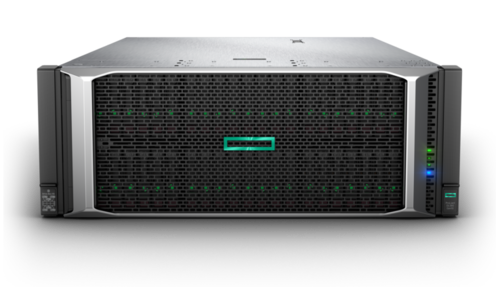
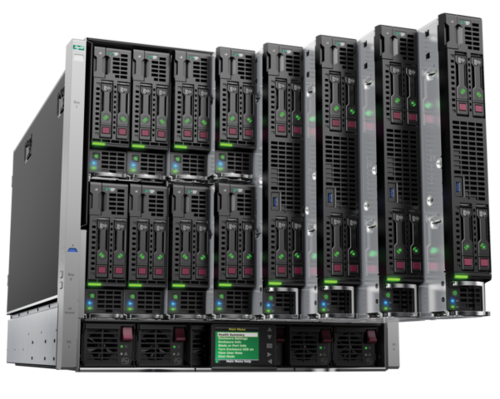
In the realm of computing, a server is a fundamental component encompassing both software and hardware, designed to furnish functionalities to other programs or devices known as 'clients'. This architectural framework is widely recognized as the client-server model, where a comprehensive computation is dispersed across numerous processes or devices. Servers extend a spectrum of functionalities, commonly referred to as 'services', including data or resource sharing among multiple clients, as well as computational tasks on behalf of a client. Notably, a single server can cater to multiple clients, while conversely, a solitary client can engage with multiple servers. The client process may execute on the same device or establish a network connection to interact with a server hosted on a distinct device.
Diverse server types exist, each tailored to specific roles, encompassing database servers, file servers, mail servers, print servers, web servers, game servers, and application servers.
Client-server systems predominantly adhere to the request-response model, wherein a client initiates a request to the server, prompting the execution of a corresponding action, followed by the transmission of a response back to the client, often comprising a result or acknowledgment.
Labeling a computer as 'server-class hardware' conveys its specialization for server operations. This designation typically signifies enhanced power and reliability compared to standard personal computers. Alternatively, large computing clusters may comprise numerous relatively straightforward, replaceable server components.