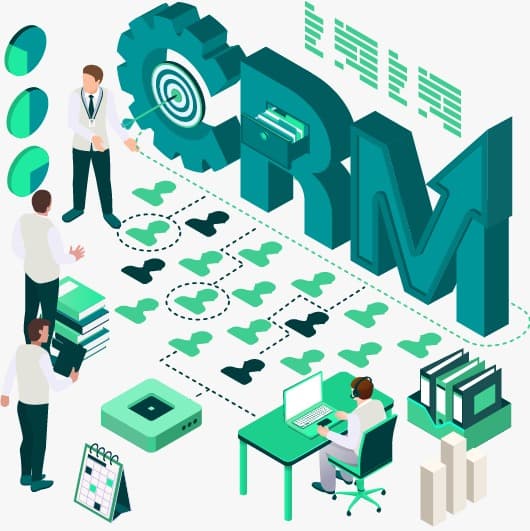
CRM typically stands for Customer Relationship Management. It's a strategy and set of technologies used to manage and analyze customer interactions and data throughout the customer lifecycle, with the goal of improving business relationships with customers, assisting in customer retention, and driving sales growth. CRM systems compile customer data from various communication channels, such as company websites, telephone, email, live chat, marketing materials, and social media. This allows businesses to better understand their customers, anticipate their needs, and provide better customer service.
CRM systems compile customer data across different channels and points of contact between the customer and the company. These can include the company's website, telephone, live chat, direct mail, marketing materials and social networks.
CRM tools can unify customer and company data from many sources and even use AI (artificial intelligence) to help better manage relationships across the entire customer lifecycle, spanning departments like marketing, sales, digital commerce, and customer service interactions.
Customer relationship management software can give you a clear, unified customer profile — a single, simple, secure, and customisable dashboard with a customer’s purchase history, order status, outstanding customer service issues, and more. This information can be invaluable, especially since 70% of customers expect every representative they contact to know their purchase and issue history.